How Much Does It Cost to Travel to Costa Rica? A 2026 Budget Breakdown
A trip to Costa Rica costs most travelers $50 to $70 a day on a budget, or $100 to $150 a day mid-range, not counting flights. A one-week solo trip from the US usually lands between $350 and $980 on the ground. This guide breaks down what you'll actually spend — on cabinas, casados, shuttles, and national parks — so you can build a realistic number and keep track of it once you land.
Last updated
Free to try • iPhone only • No account required
TL;DR: Budget travelers spend roughly ₡25,000–35,000 per day in Costa Rica (about $50–70), mid-range travelers ₡50,000–75,000 (about $100–150), per 2026 figures from Budget Your Trip. Many tourist businesses quote prices in US dollars, but you'll still want colones for local sodas, buses, and markets — and a way to track spending across both.
Costa Rica Trip Cost at a Glance
Here's the short version before the detail. These are per-person, per-day figures in Costa Rican colones (₡) and rough US dollar equivalents, excluding international flights.
| Travel style | Per day (₡) | Per day (USD) | 1 week | 2 weeks |
|---|---|---|---|---|
| Budget | ₡25,000–35,000 | ~$50–70 | ~$350–490 | ~$700–980 |
| Mid-range | ₡50,000–75,000 | ~$100–150 | ~$700–1,050 | ~$1,400–2,100 |
| Comfort | ₡100,000–175,000 | ~$200–350 | ~$1,400–2,450 | ~$2,800–4,900 |
Add flights on top. Round-trip from the US often runs $350–650 depending on season and departure city. The colón has held fairly stable against the dollar in recent years, which makes Costa Rica's cost of living relatively predictable trip to trip compared to some neighbors.
Accommodation Costs in Costa Rica
Where you sleep swings the budget the most, and it varies hugely by region. A hostel dorm runs ₡8,000–13,000 a night (about $15–25). A simple cabina or guesthouse sits around ₡15,000–25,000. Mid-range eco-lodges and boutique hotels — the kind with a jungle view or a pool — jump to ₡35,000–75,000, and beachfront spots in Manuel Antonio, Tamarindo, or Santa Teresa run well above that.
The interior (La Fortuna, Monteverde, the Central Valley) is consistently cheaper than the coasts. Booking ahead matters most in the dry season (December–April), when both prices and availability tighten.
Food Costs: Eating in Costa Rica on Any Budget
A casado — the classic set lunch of rice, beans, meat, and salad — at a local soda costs ₡3,500–5,000 ($7–10) and is genuinely one of the best-value meals in Central America. Mid-range restaurants, especially in tourist towns, run ₡8,000–13,000 a plate, and many price directly in US dollars with 13% tax and a 10% service charge added on top — which can surprise people expecting the menu price to be the final price.
A realistic food budget is $25–35 a day leaning on sodas and casual spots, or $45–65 a day for mostly sit-down restaurant meals. Watch the small stuff — a fresh fruit smoothie, a coffee at a roadside stand, a snack before a hike. They're easy to lose track of and they add up fast on a trip built around long outdoor days.
Getting Around: Buses, Shuttles, and Rental Cars
Local buses are extremely cheap — a few hundred to a couple thousand colones for most rides. The catch is that Costa Rica's public bus network, while functional, is slow and not built for tourists hopping between national parks. Most travelers end up using shared shuttle vans between towns, which run $10–60 per person depending on distance.
Renting a car opens up the country but costs more than people expect once insurance is factored in — $40–70 a day all-in, and mandatory local insurance isn't optional. For remote spots like Tortuguero or Drake Bay, a short domestic flight ($80–150 one-way on Sansa or Green Airways) can save an entire day of travel.
National Parks and Activities
This is where Costa Rica earns its "pura vida" reputation, and it isn't cheap to skip. National park entrance fees run $15–18 (Manuel Antonio and Arenal are both around $18), and most are worth every colón. Canopy and zipline tours run $45–75, white-water rafting $75–100, and a surf lesson $40–60.
Budget $20–40 a day for activities if you're doing one outing most days, which is typical for a Costa Rica itinerary built around parks and adventure tourism rather than city sightseeing.
Sample Budgets: One Week and Two Weeks in Costa Rica
Let's put it together, using the same five-step approach that works for any trip. A budget solo traveler doing one week — cabinas and hostels, sodas and the occasional restaurant meal, shared shuttles between two or three stops — lands around $350–500 on the ground, plus flights. Two weeks covering more ground (say, La Fortuna, Monteverde, and a beach town) roughly doubles that.
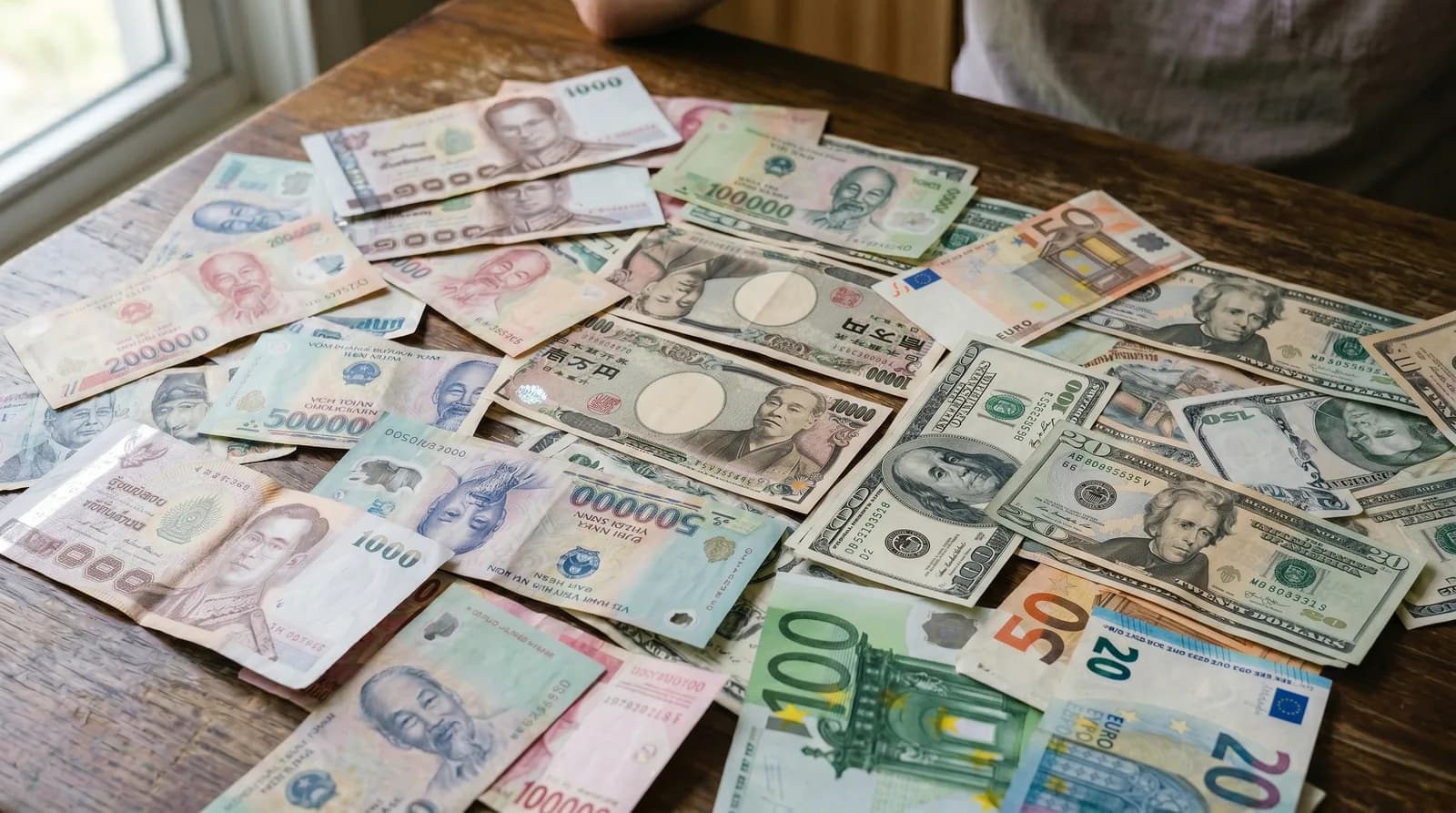
Costa Rica's dollar-and-colón mix creates its own tracking headache. A shuttle quoted in dollars, a soda paid in colones, a park entrance you prepaid online in dollars before the trip — it's genuinely two currencies in play on the same afternoon. SpendSnap lets you log each expense in whichever currency you actually paid and converts everything into one honest total, so you're not manually doing colón-to-dollar math to figure out if you're over budget. You can also run a dedicated Costa Rica trip budget alongside your everyday one, so the two don't blur together.
Free to try • iPhone only • No account required
Cash, Cards, and Colones — Money Tips for Costa Rica
Costa Rica is more card-friendly than some Central American neighbors — hotels, larger restaurants, and tour operators generally take cards. But small sodas, local buses, markets, and roadside stands are often cash-only, and paying in dollars for a small purchase usually means getting change back in colones at a rate that isn't in your favor.

The practical move: withdraw colones from a bank ATM once or twice during your trip, use those for daily small purchases, and save the card for lodging and bigger tours. That mixed pattern is exactly what a bank-sync budgeting app struggles with — it sees a single ATM withdrawal and has no idea whether that ₡60,000 became three days of casados and bus fares or is still sitting in your wallet. A manual tracker like SpendSnap, which logs any currency without needing a bank connection, is built for exactly this kind of cash-and-card mix — the same reason it works for travelers who spend more than just cards.
How to Keep Your Costa Rica Trip on Budget
The budget-killer on a Costa Rica trip is rarely the big-ticket items — you already decided to pay for that zipline tour. It's the small stuff between activities: the ₡1,500 coffee, the ₡2,000 bus fare, the smoothie stand outside the park entrance.
SpendSnap's quick-add re-logs an identical recurring expense with one tap, so the daily coffee or the same shuttle fare takes seconds, not a typed-out entry. Because it works offline, you can log a purchase on a bus with no signal in the mountains and it syncs once you're back near wifi. Do that consistently for a few days and you'll see your actual daily pace against your budget instead of finding out at the airport.
Frequently asked questions
Free to try • iPhone only • No account required